
Planning Your First Solo Hike
When I started hiking alone, I didn’t know where to start.
There were many internal conflicts and safety concerns, especially with me being a solo female hiker.
Back then, there weren’t many tips for hiking alone as a woman.
Understanding that made me put a lot more effort into planning my trips so I’ll be sharing all I’ve learned about planning the perfect solo hiking trip so far with you now.
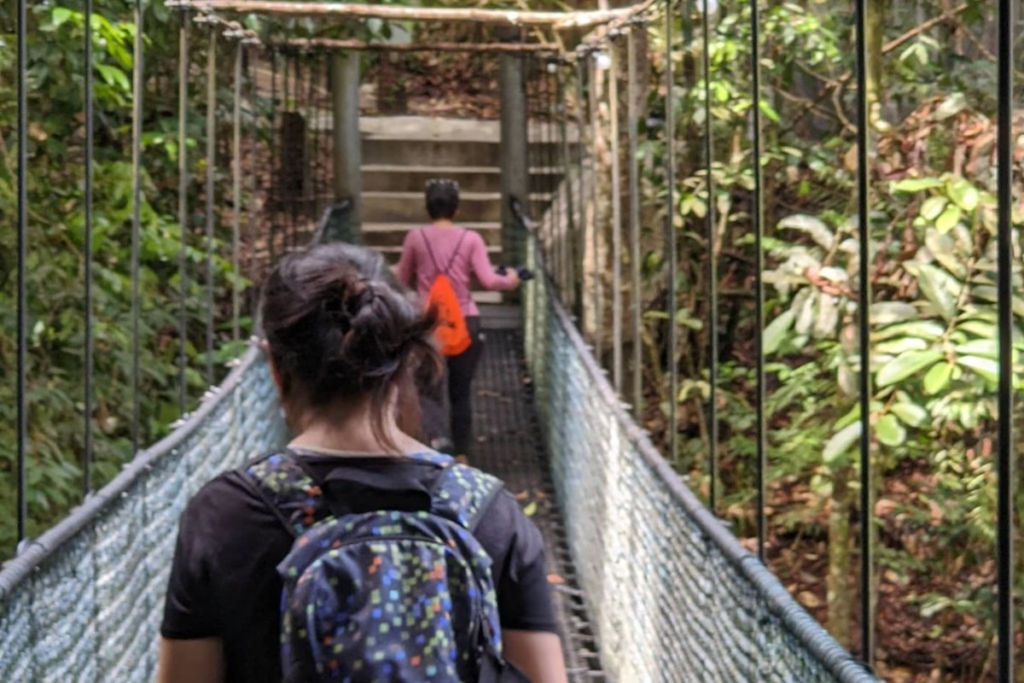
Two of the most useful tips for hiking alone are; always choose well-marked trails that match your skill level and never forget to take the weather into consideration on your solo hiking trips.
The first is important because first-time hikers need all the help they can get. Choosing a trail at your skill level almost guarantees you’ll run into fellow beginners, and you can draw on their strength.
Monitoring the weather forecast is key because the weather has been known to change the difficulty of a terrain considerably.
Beyond this, I also recommend a set starter kit for backpacking alone:
- Navigation tools (maps and compass);
- Enough water and a way to purify more (just to be safe);
- High-energy food (granola bars, trail mix, and so on);
- Extra clothing
- Safety gear (whistle, fire starter, knife)
- First aid kit
- Emergency shelter (like a space blanket)
Also, you have to be extra careful on the road, and this applies no matter how long you’ve been hiking.
That’s why I’m always on the alert and ready to make a 180 the most my instincts tell me something’s off. I also took self-defense classes (basic Krav Maga) early on. I can’t recommend this enough for anyone (especially women) who wants to hike alone. A crash course will suffice.
Other great tips for hiking alone for beginners include ensuring you never travel after sunset and learning how to handle wildlife encounters. Also, Hiking Alone Safety 101 demands that you have a personal alarm on you – it’s always better to have it and not need it!
Safety Protocols
My top priority on any solo hike, is always safety. To that end, I make sure I’m prepared for emergencies and potential wildlife encounters.I also make sure I’m choosing the right trails and navigation.
Female hikers have to play by slightly different rules.
For us, taking extra preventive measures is simply a must. This starts with understanding the nuances of the trail deeply, checking out the experience of other hikers on that route, and observing the strictest personal protective measures. I break these safety tips for hiking alone for beginners into three (3) categories:
Before the Hike:
Always let someone know where you’re headed, the things you plan to do, and when you’ll be back. It’s also good hiking practice to keep a bead on the weather so you can dress appropriately and not get caught off-guard. Finally, since you’re still new to the hiking thing, it’s vital you’re mindful of the sunset so you won’t end up on the trails after dark.
During the Hike:
I stay on the marked path at all times, so I’m less likely to get lost. Similarly, I have a Purple Belt, so I’m confident I can defend myself if I get in a pinch. I also carry a whistle and bear spray. Finally, I drink water often, so I stay hydrated.
I’m also pretty attentive to how my body feels throughout the hike. The last thing you want is to sustain an injury when hiking on your own!
Emergency Preparedness
No checklist of safety tips for hiking alone is complete without an understanding of how to plan for emergency situations.
First aid kit: I always carry a comprehensive hiking-specific first-aid kit. This covers everything from different sized bandages to blister treatment and meds for various common ailments.
Communication tools: This is where my satellite phone or a personal locator beacon (PLB) come into play. It’s important to keep these devices fully charged too as you never know when you might end up staying out longer than planned.
Encountering Wildlife
Knowledge: The best tips for hiking alone for beginners I’ve heard on this front is to never treat two trails the same way. Each trail has a unique identity and you have to keep this in mind when hiking through.
So before every adventure, I never forget to map out what unique animals I’ll likely meet on the road as well as how to deal with such meetings on my solo hiking trip.
I made sure I know the animals common in the region I’ll be exploring. For example, a National Park Service hiking alone safety tip says you should always have bear spray (in bear country), so you’ll be able to fend off these creatures if your paths cross.
Encounter: It’s vital you stay calm if you encounter wildlife. A few years ago, I was hiking the Bukit Gasing when I stumbled into a banded krait. Luckily, I saw it in time and gathered my wits about me before I could make full contact. I backed up a bit, letting the reptile know it had the right of way. Shortly after, it slithered into a nearby overgrowth and I went on with my hike uneventfully.
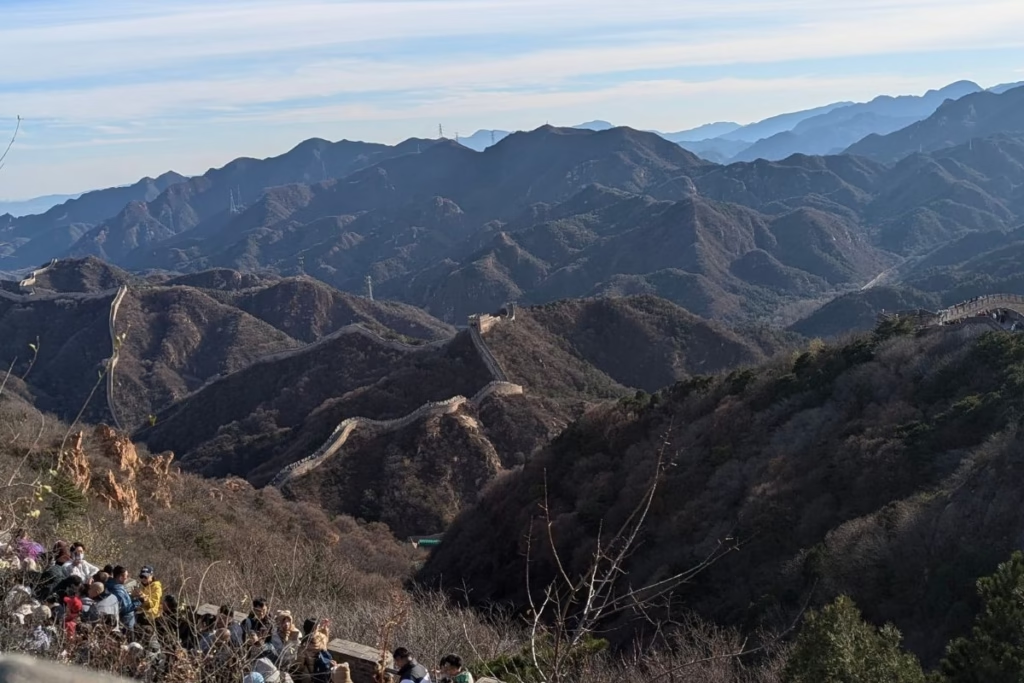
Choosing and Navigating Your Trail
Trail difficulty level: Although this rarely ever comes up, it’s important to remember that there’s always an element of risk with hiking. That’s why virtually every trail out there comes with a distinct difficulty level marking. Use these judiciously. With platforms like AllTrails, you can not only get a good read on most trails, but you can also see the experience of hikers who have visited in the past. With that info, you’ll be even better prepared for your adventure!
Map and compass: Knowing where you’re headed is also vital. So, make sure you have good navigation skills and carry along a nice compass and map.
Night Hikes: I’ve had to hike at night a few times over the years, and some great tips for walking alone at night include always sticking to the well-trodden path and wearing reflective gear, to prevent hunting accidents and other things of that nature. Be sure to have a headlamp and personal alarm handy, too.
You’ll find other helpful tips for hiking alone at night here. Once you establish your safety 101, time to prepare your key items of survival.
Choosing the Right Gear
While on that solo hiking trip, you’ll only have your gear by you. That’s why I only choose equipment I’m 100% confident of. Please, because space is limited, I’ve also learned to pack smart.
You don’t want to be carrying heavy backpack as it’ll take its toll on your posture, inflicting back pain in the long run.
Packing smart is also important because, as a woman, there’s only so much I can carry. Every woman will have their own weight threshold. A 30kg might weigh like twenty-k to me but it might feel like 60kg to other hikers.
Afterall, strength is part of my DNA profile.
So, keep in mind that every item in your backpack has to count.
Here’s my favorite go-to gear checklist as well as why each gear made my kit:
- I always carry a map and compass;
- A lightweight, waterproof jacket, so I’m ready for any sudden weather changes;
- I pack a headlamp with extra batteries; it’s hands-free and a lifesaver when hiking on your own at night;
- A basic kit suffices, but I add items relevant to the trip and my personal needs;
- Waterproof matches or (a lighter) is key for warmth and cooking;
- A multi-tool with a knife covers most of my needs;
- Extra food for an additional day is a wise precaution;
- A water filter and extra water bottles keep me hydrated;
- A lightweight tent or bivvy keeps me sufficiently cozy in case I need to make camp overnight.
Mental and Physical Preparation
When tackling solo hiking trips, I always make sure I’m mentally and physically ready for the adventures ahead. Here’s how I prepare:
Physical Preparation Solo Hiking Tips:
- Start Small: I begin with shorter, local hikes to gauge my endurance.
- Increase Gradually: Building up to longer trails over time helps increase my stamina.
- Fitness Regimen: I maintain regular cardiovascular and strength training to support my hiking ambitions.
- Gear Trial: On short hikes, I test my gear to ensure comfort and reliability.
Mental Preparation Solo Hiking Tips:
- Research: I read about others’ experiences, like those shared on AllTrails forums, to prepare for the mental challenges ahead.
- Mindfulness: Practicing mindfulness aids in my mental clarity.
- Planning: Detailed planning of routes and schedules gives me more confidence.
- Safety Skills: I learn relevant solo hiking tips like about wilderness first aid and navigation.
Managing Unexpected Situations
When you have strong mental preparation, you’re ready for most situations.
When hiking on your own, you can never truly know what to expect, which is why it’s so important that you cover various potentially unexpected scenarios in your planning phase. This starts with:
Staying Informed: Before I set out, I check the weather forecast to avoid natural dangers like storms or floods. Staying aware of the weather conditions minimizes risks.
Emergency Signaling: I carry a whistle for audible signaling and a mirror for visual alerts.
Location Sharing: Someone always knows where I am. I also have a regular check in time so they can always tell if something’s gone wrong.
Water Purification: On trails where water sources are available, I pack a water filter or purification tablets.
Self-Defense Skills: While the chance of encountering dangerous people is slim, I have taken a self-defense class which increases my hiking alone safety.
Leave No Trace Principles
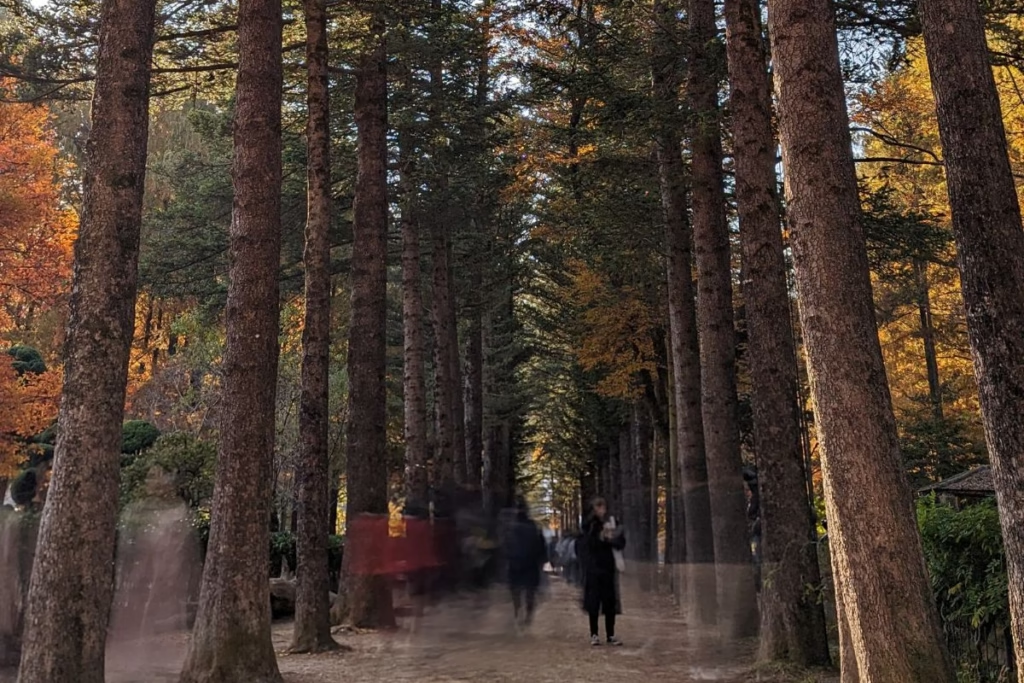
Some of the best tips for hiking alone for beginners can be found hidden in the philosophy of Leave No Trace. It’s not only important to follow great tips for backpacking alone, but you must also strive to reduce the potential environmental impact of your hike.
Plan Ahead and Prepare: I learn and understand the regulations and concerns of the trail, time my hiking session well, and prepare for extreme weather and emergencies. I also repack food and use my GPS instead of marking paint or flagging.
Travel and Camp on Durable Surfaces: I’m conscious of where I walk and camp on any solo hiking trip. While hiking on my own, I stick to established trails and campsites and avoid. I avoid trampling vegetation or creating new paths.
Dispose of Waste Properly: I take out everything I take in, without exception. This includes every single thing from food wrappers to fruit peels. When I had to dispose my trash, I’d do it properly. This means digging a cathole at least 200 feet from any water source, doing my business, and covering the hole properly afterward.
Leave What I Find: I don’t pick flowers or take natural souvenirs. I also observe the wildlife from a distance; no feeding them, building structures, or influencing their home in any way.
Minimize Campfire Impacts: I use a camping stove on my solo hiking trips; no fires. And when I must, I make sure to use only fire rings so I don’t scorch the earth.
Respect Wildlife: When hiking, I understand that I’m walking through the homes of various animals. So, I make sure to stay respectful and maintain a safe enough distance so these homeowners can move about undisturbed.
Be Considerate of Other Visitors: The trails belong to us all, which is why I stay on my best behavior when hiking.
Making the Most of Your Solo Hiking Experience
Perhaps the most important element you have to see to when it comes to how to start hiking alone is the safety factor.
But that shouldn’t take anything away from the experience.You can ensure this by striking the perfect balance between maintaining hiking alone safety, staying mindful, and having a good time. The secret ingredient of this recipe is proper planning.
Start by making sure you choose the right trail and inform at least a loved one or two of your whereabouts. Of course, you shouldn’t forget any hiking essentials while you’re at it.
During the hike, try not to push yourself too hard. For females, it’s especially important that you know the various tips for hiking alone as a woman and observe them all. Finally, never go anywhere without a detailed map and a functional compass.
I prepare my mind and body for the adventure ahead by combining meditation sessions with frequent exercise. I also ensure I have enough water, energy bars, and electrolytes for the journey ahead.
When I make it back, I first let my contact person know I’m home safe. Then, I take the time to evaluate my performance on the hike, celebrate my success, and identify areas of improvement.
Post-Hike Reflection and Learning
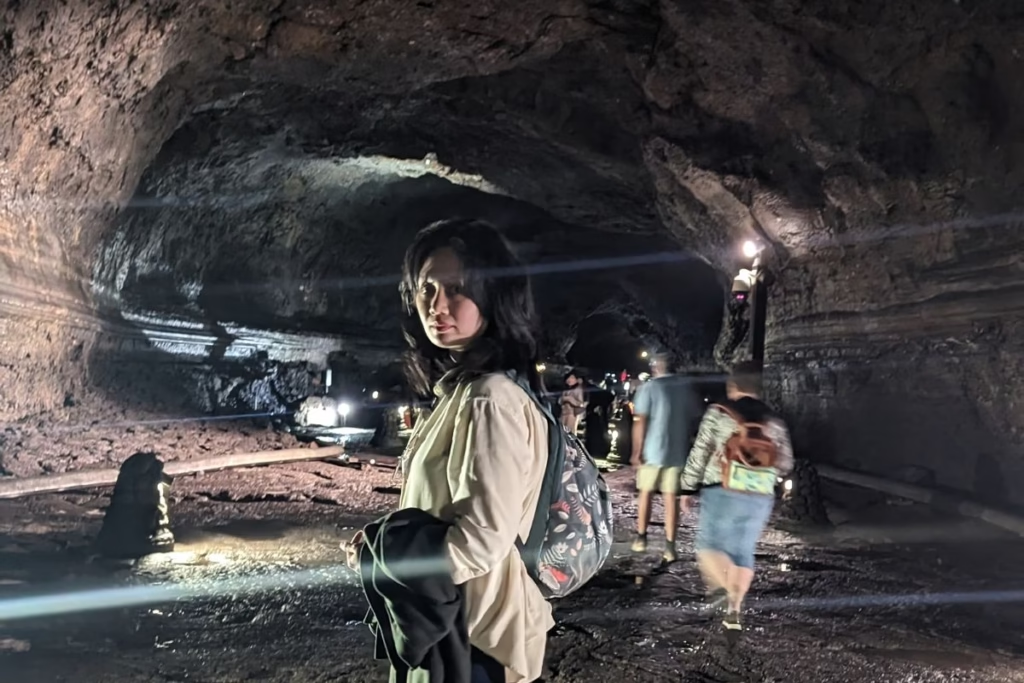
Once I’m fully rested, I go over the adventure again in my head. I try to figure out things like:
- What worked and what didn’t: I reflect on the various aspects of the hike to see where I did pretty well and where I could’ve done better;
- Challenges: I also explore any potential challenges I faced to see how I can avoid a repeat in the future.
Then, I document my reflections:
| Aspect | Reflection |
| Route | Did I enjoy it? Was it the right level of challenge? |
| Preparation | Were there any gaps in my gear or planning? |
| Physical State | How did my body handle the hike? Any soreness? |
| Mental State | Did I feel confident and mindful throughout? |
By following these tips for backpacking alone, I ensure that I’m ready to face most challenges that come my way on the trail.
Frequently Asked Questions
I know that setting out on a solo hike can be as thrilling as it is daunting. Below, you’ll find direct answers to some of the most common concerns I encounter from first-time solo hikers.
What are essential safety tips for hiking alone for beginners?
The most important hiking alone safety tips for beginners are to plan thoroughly and make sure someone knows your itinerary.
How should I prepare for my first solo hiking trip?
My first step is to search platforms like AllTrails for hikes that match my skill level. Once I find a challenge I like, I start building my physical fitness and gathering supplies.
What are the best tips for walking alone at night?
For personal safety, I don’t recommend that beginners start taking night hikes just yet. But if you must, be sure to stay aware of your surroundings, wear the right outfit and gear.
Can you list the necessary equipment for solo hike trips?
Yes, the necessary equipment includes the Ten Essentials for hiking, adequate food, water, first-aid supplies, and navigation tools. Depending on the location, I might also carry bear spray or a dedicated GPS device.
