
Best Slow Travel in Austria
As someone who loves to travel, I find Austria offers a fantastic blend of breathtaking landscapes, deep-rooted traditions, and vibrant local communities.
This makes it a perfect spot for those like me who appreciate the slow travel approach – taking the time to fully immerse ourselves in a place’s environment.
Slow travel in Austria isn’t just an eco-friendly choice but allows for profoundly enriching adventures.
Vienna and Salzburg are famous tourist draws, but I prefer discovering these cities at a leisurely pace. I engage with the local scene beyond typical tourist haunts.
For instance, kicking back in a cozy traditional Viennese coffee house lets me soak in the storied ambiance that’s core to Vienna’s identity.
In Graz, the emphasis on local cuisine aligns with slow travel values. Farmers’ markets like the iconic Lendplatz or Kaiser-Josef-Platz let me savor regional produce – creating a personal bond with Graz through taste.
When visiting Innsbruck, I opt for hiking trails through the surrounding Alps, which supports my commitment to sustainable exploration.
Rather than rushing from one famous landmark to the next, I seek out lesser-known but equally awe-inspiring vistas far from the crowds.
- Best Slow Travel in Austria
- Slow Travel Austria Highlights:
- Top Spots for Leisurely Austrian Tours
- Slow Travel Activities in Austria
- Creative Slow Travel Austria Itinerary
- Ensuring Seamless Travel Logistics Elevates Immersive Experiences
- Cultural Insights and Historical Context
- Seasonal and Regional Specialties
- Practical Travel Tips for Tourists
- Frequently Asked Questions About Slow Travel in Austria
- What are the recommended itineraries for slow travel in Austria?
- Which tours in Vienna offer authentic local experiences?
- During which month is it ideal to visit Austria for slow travel?
- How many days should one allocate for a comprehensive slow travel trip in Austria?
- Can you travel slowly in Austria using public transportation?
- What are the best ways to travel slowly within Austria?
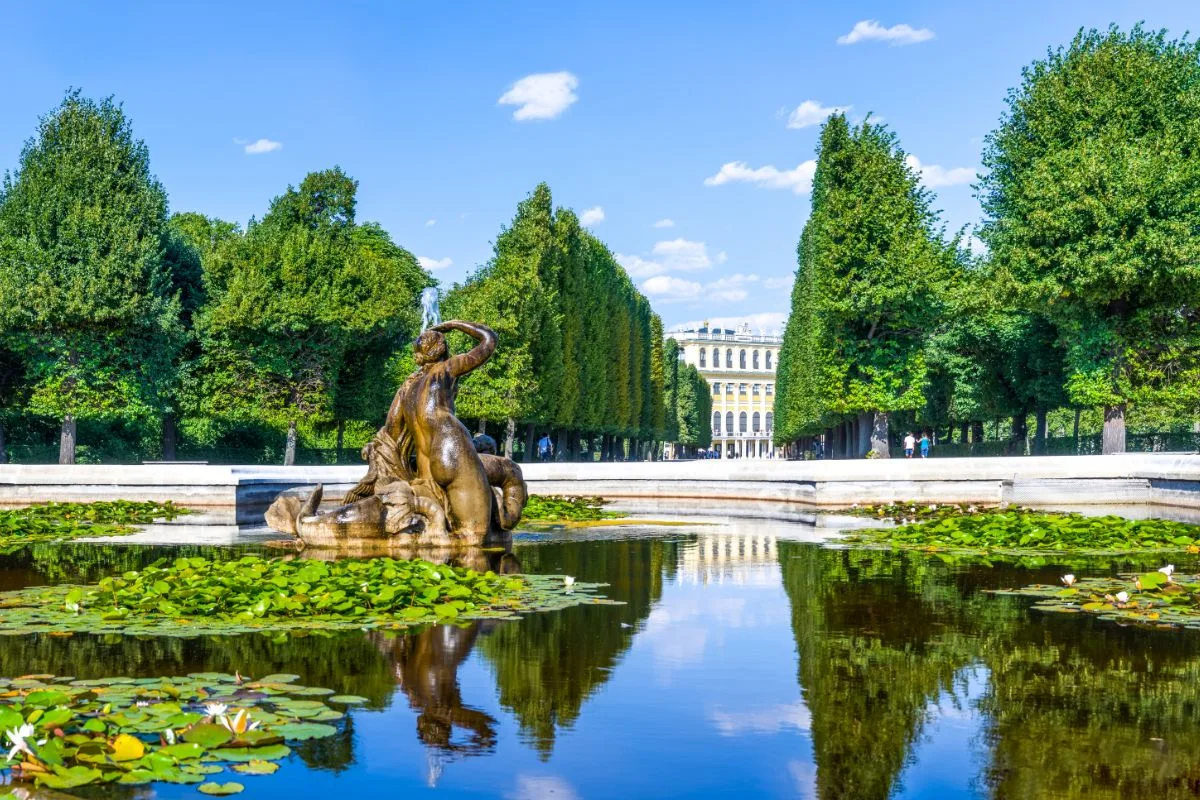
Slow Travel Austria Highlights:
- Immerse in local culture: festivals, events.
- Appreciate history: visit monuments off-peak.
- Support sustainability: eco-friendly stays.
- Experience regional flavors by dining at eateries utilizing ingredients from local sources.
From appreciating Salzburg’s baroque architectural marvels to basking in Austria’s picturesque village serenity, I ensure my journeys positively contribute to the local economy and environment.
Top Spots for Leisurely Austrian Tours
During my time exploring Austria, I noticed each destination has its own mix of history, nature, and culture. They’re perfect for slow travelers.
Here are the best places to visit, allowing you to really take in the unique atmosphere:
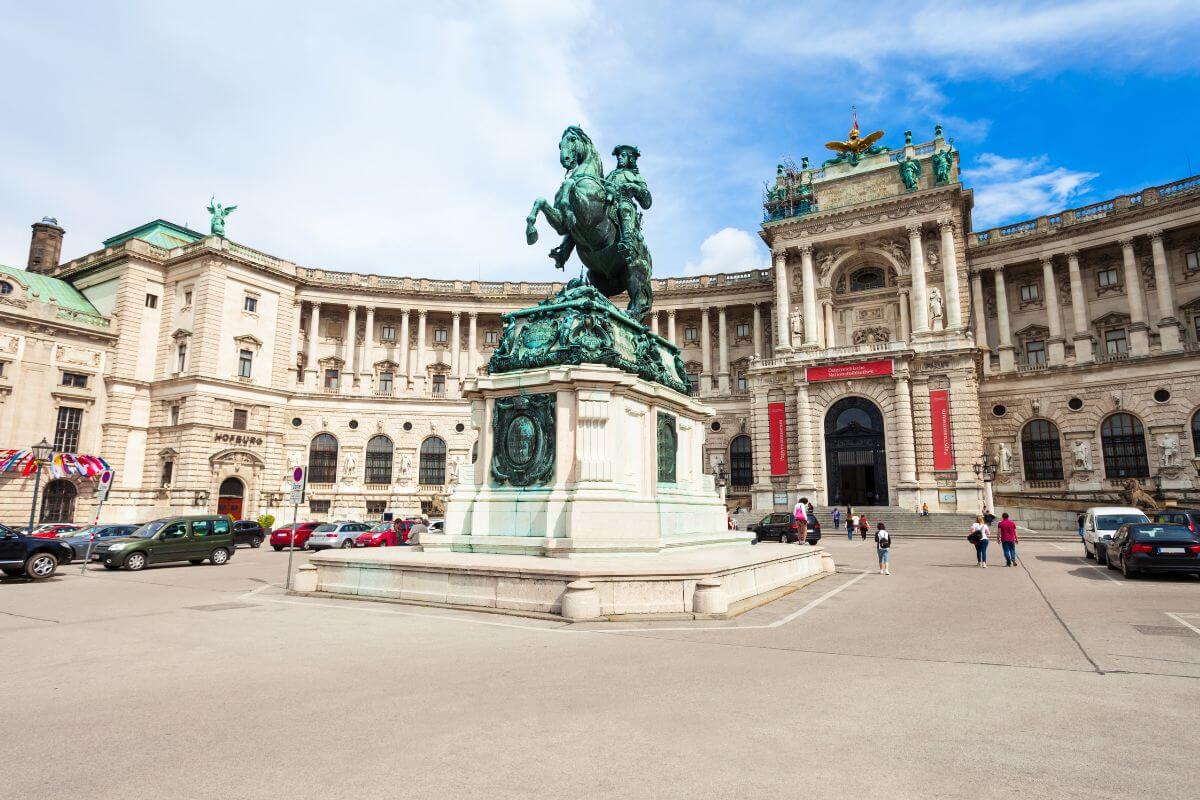
Vienna: Cultural Heart with Imperial Flair
Vienna pulses as Austria’s capital, boasting imperial sights like the grand Hofburg Palace. Yet there are also tranquil city parks.
The cafes and pastry shops truly highlight the relaxed essence of slow travel. Indulge in local treats while taking it easy.
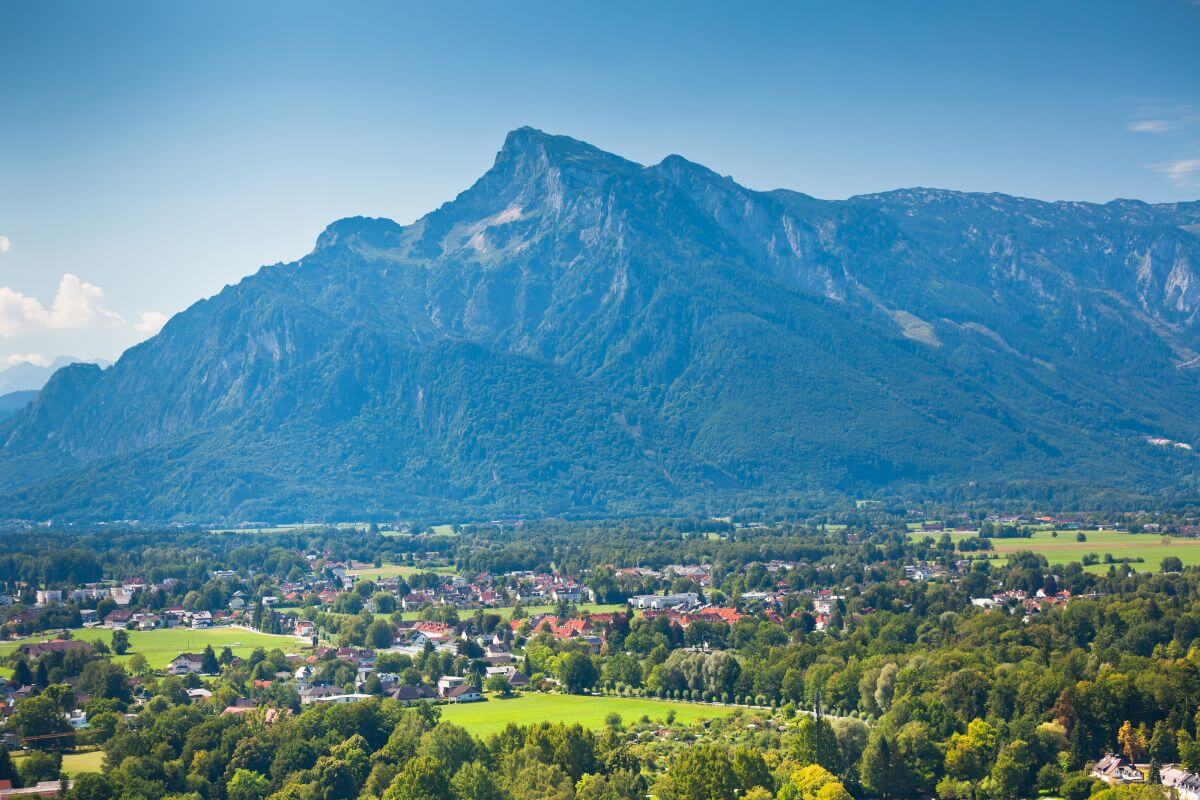
Salzburg: Music and Mountains
Salzburg is forever intertwined with musical greats like Mozart who was born here. The Sound of Music filming locations evoke nostalgia too.
But the majestic Alps surrounding this cultured city provide natural serenity. Enjoy alpine landscapes right beside urban charm as a slow traveler.
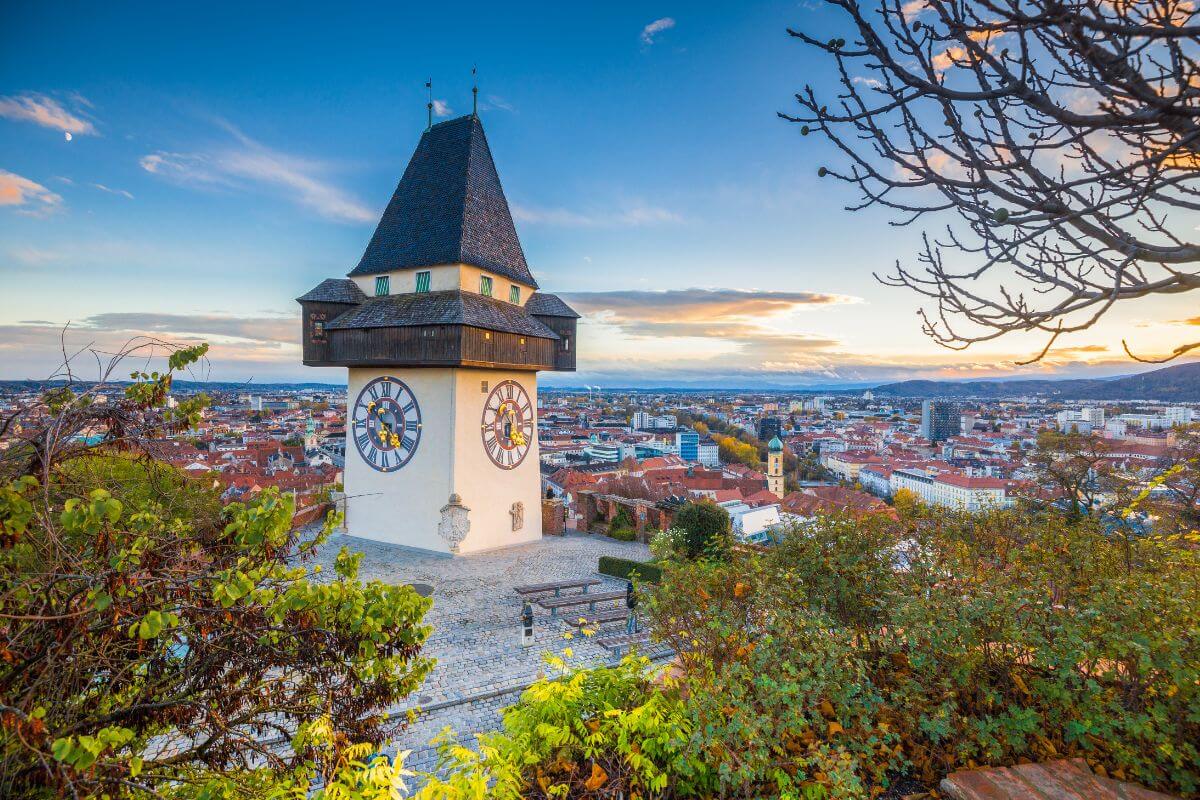
Graz: Styrian Culinary Delights
Graz, a town in Styria region, lets you immerse in local flavors. Lively farmer’s markets showcase amazing produce and products.
To fully experience Styrian culture though, make sure to explore the regional cuisine and wines. That’s quintessential slow travel here.
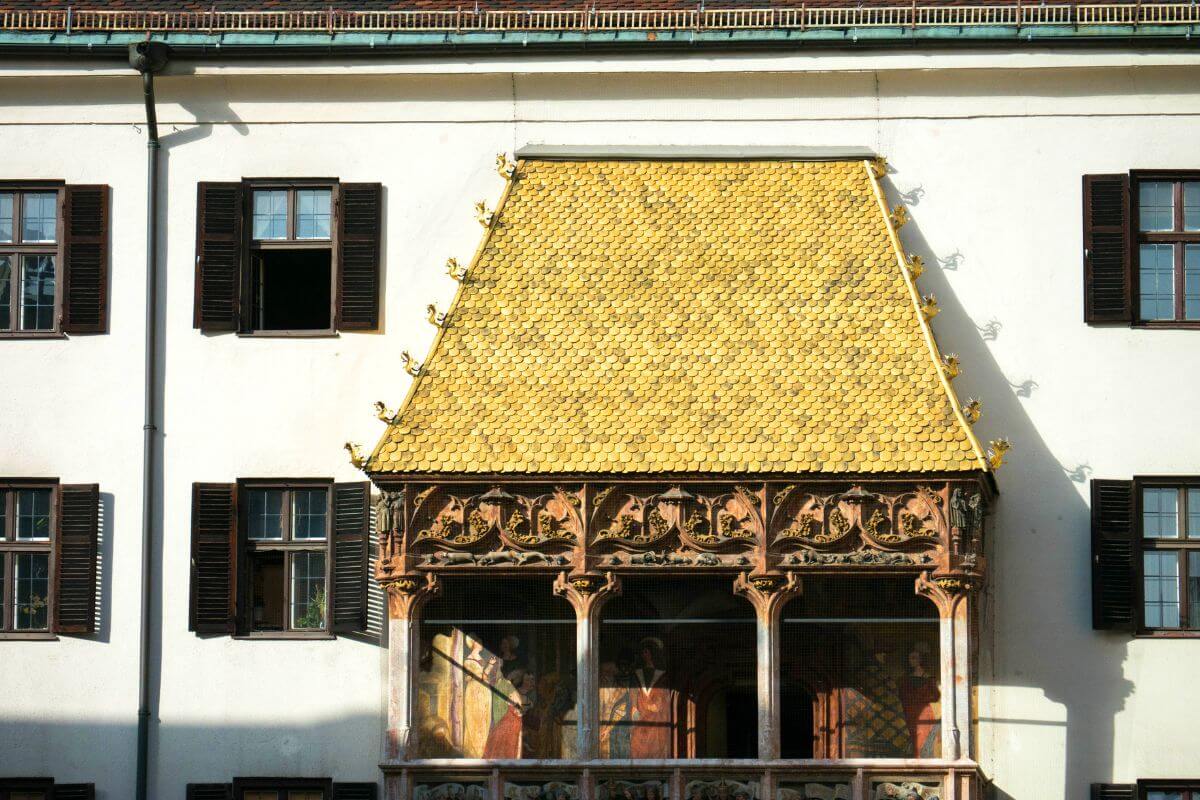
Innsbruck: Alpine Gateway
Austria offers you adventures in majestic peaks. Innsbruck sits surrounded by towering Alps. It’s a great place for outdoor fun.
Go hiking or skiing, based on the season you visit. You’ll also get city life convenience with easy access to nature.
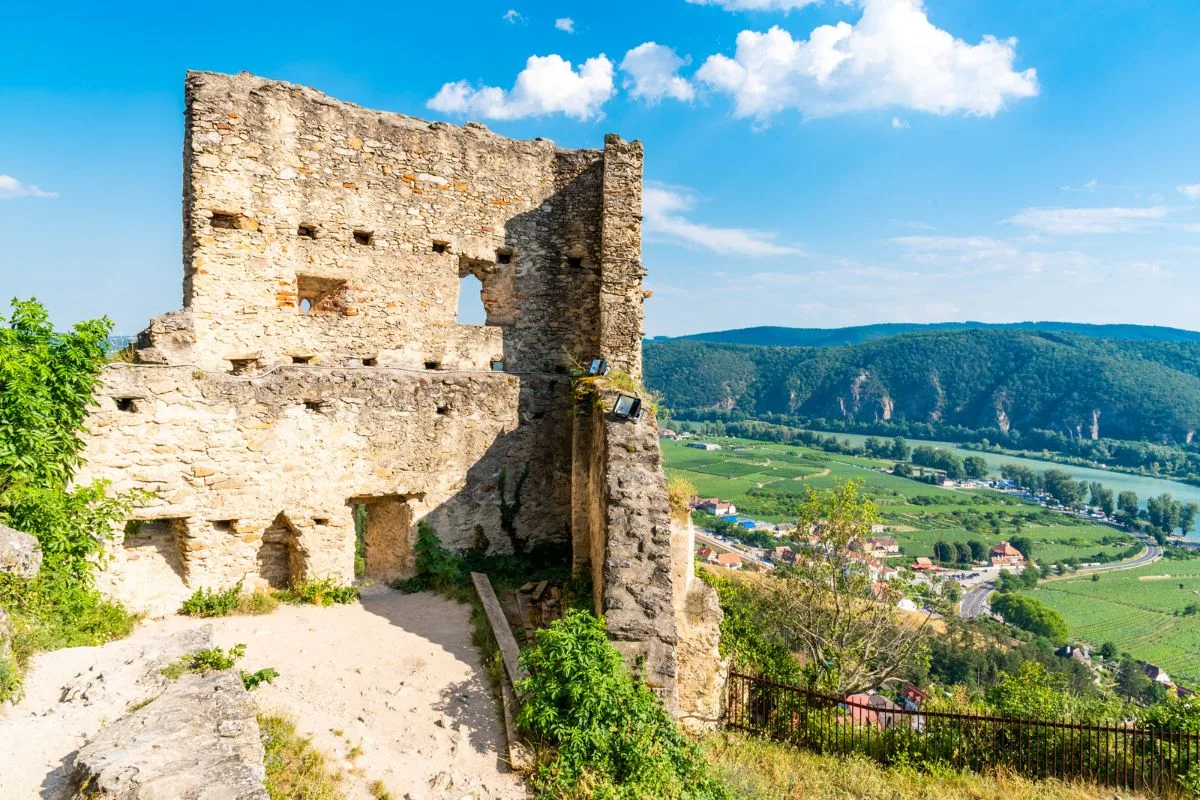
Wachau Valley: A UNESCO Treasure
If you want slow travel, visit Wachau Valley. It’s a World Heritage site by UNESCO. Vineyards line the Danube River banks. You’ll find historic gems like Melk Abbey there too.
Explore charming towns like Dürnstein and Krems at a leisurely pace. Walk or bike through their streets.
Slow Travel Activities in Austria
Slow travel in Austria offers beauty, flavors, culture experiences. I’ll guide you through enjoyable, relaxed activities at an easy pace
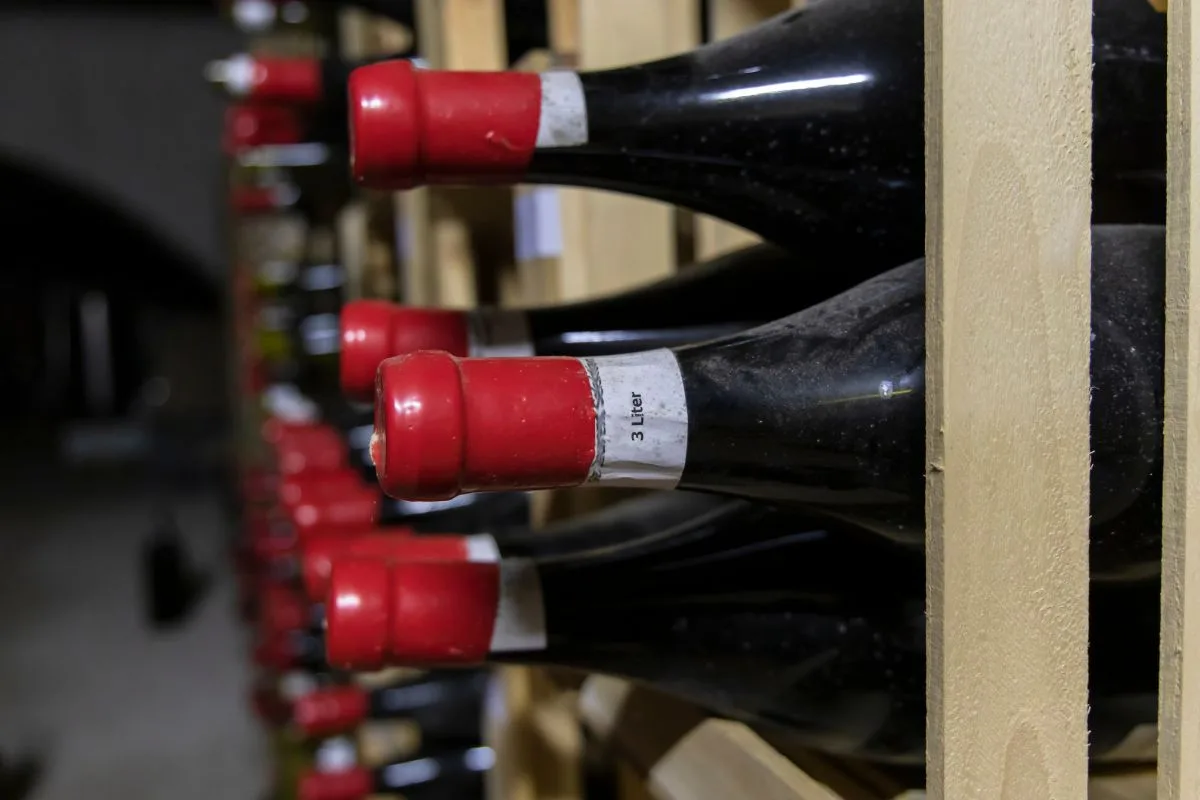
Wine Tasting in Lower Austria
Lower Austria is a wine lover’s paradise. Many wineries produce excellent crisp white wines here.
Try out Grüner Veltliner and Riesling varieties. Visit, meet local winemakers. Taste wines surrounded by scenic hills. Don’t miss the famous seasonal apricots too.
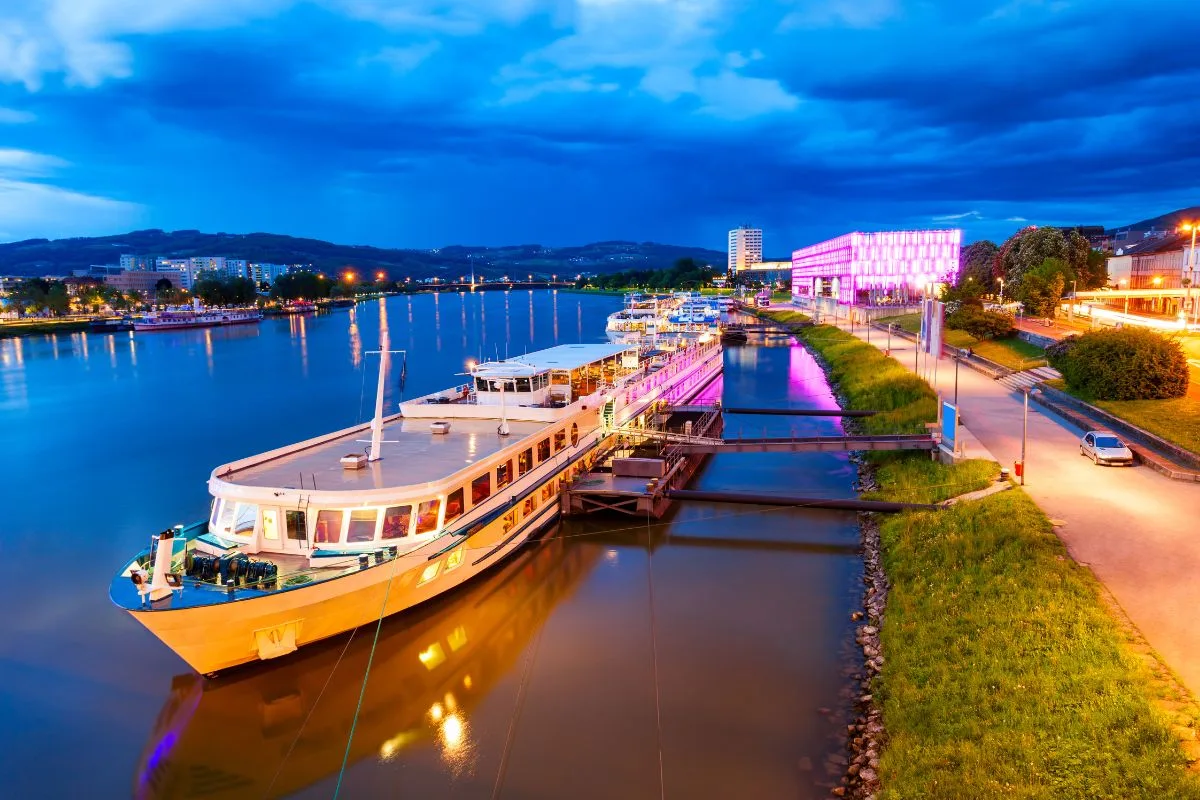
Cycling Along the Danube River
Biking along the Danube gives an exceptional chance to experience Austria’s landscapes closely.
With a bicycle, the breeze on my face, the river’s tranquil flow – I explore beyond typical tourist spots. It lets me slow down, appreciate the journey itself.
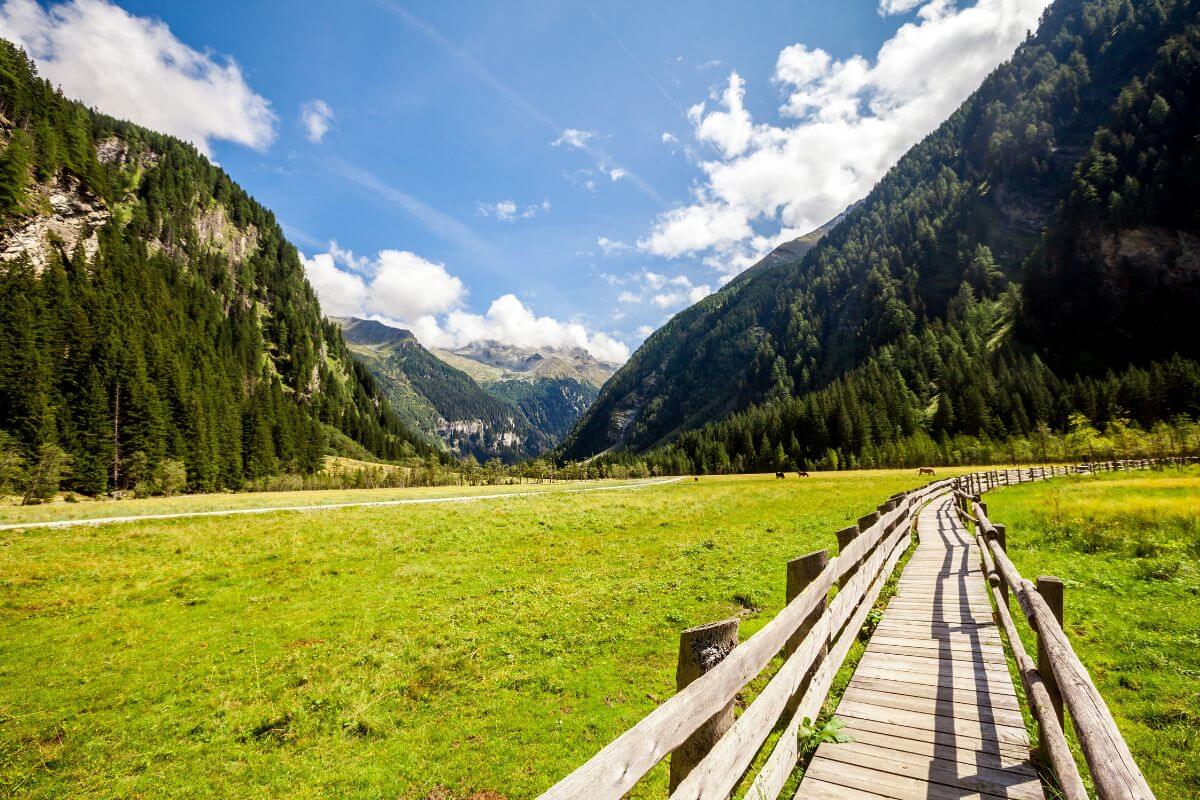
Hiking through the Scenic Alpines
Trekking, hiking in the Alps lets you brave altitude challenges. But stunning panoramic views punctuating the countryside make it worthwhile.
Hiking through the Alps, I savor each step’s new views and calmness. Footpaths or tough trails? All paths bring fresh scenery’s peace.
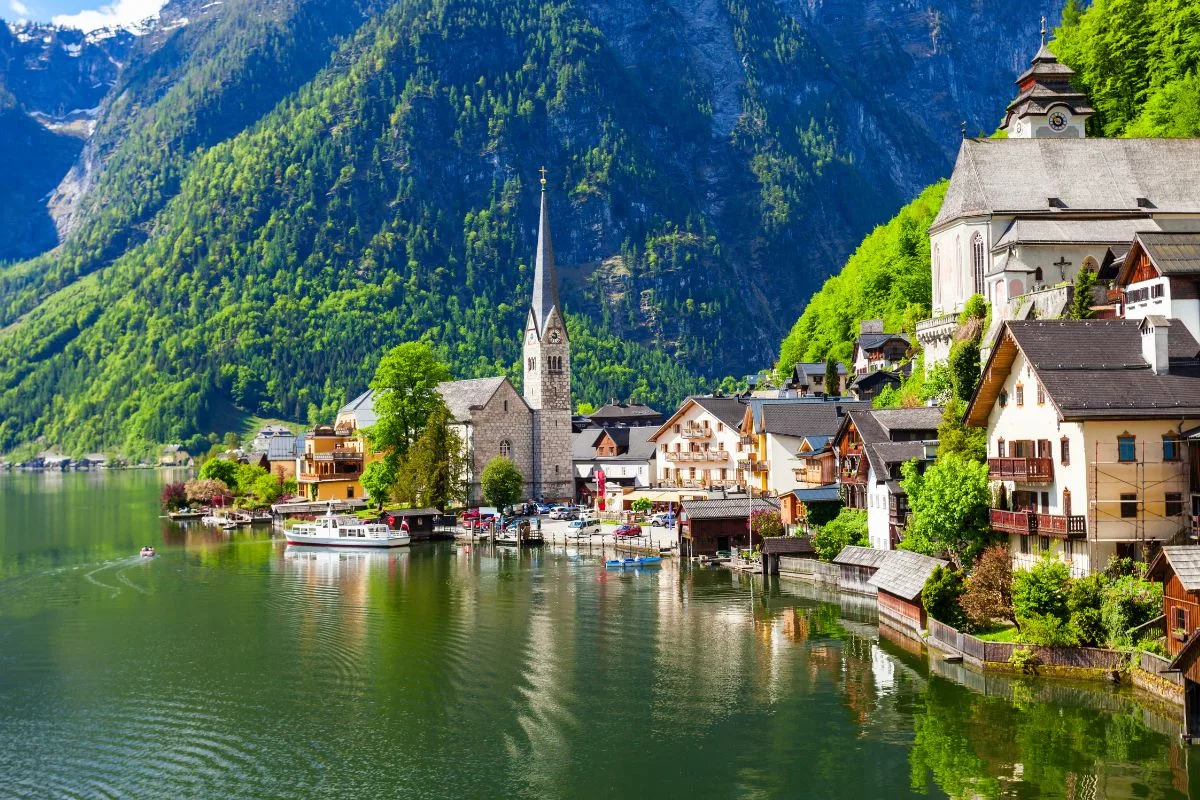
Sailing on Austrian Lakes
Lapping water, billowing sails—sailing Austria’s lakes is my favorite slow-paced travel. I connect with nature’s glory at my own rhythm. Living here is bliss.
What a wonderful way to experience Austria’s beauty. It’s easy to love this place.
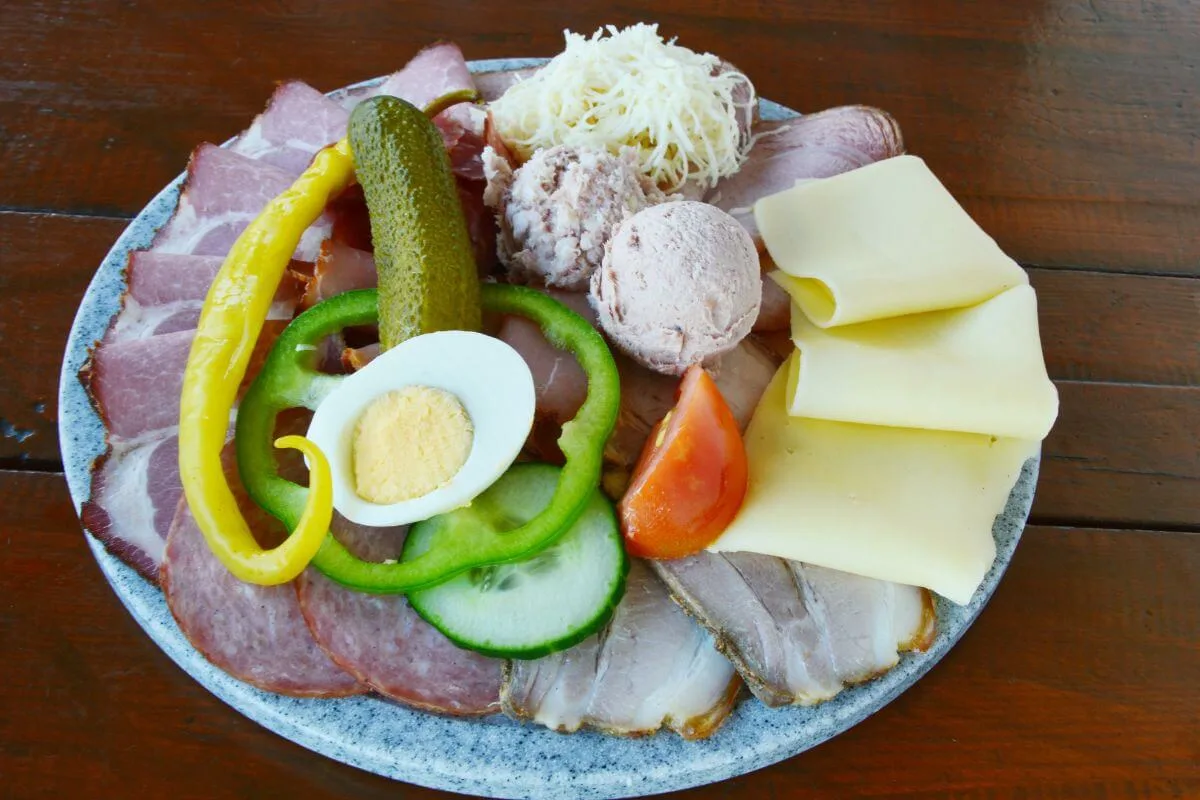
Discovering Local Cuisine at Buschenschanks
Day’s end, I crave Buschenschanks’ warmth—rustic wine taverns serving regional specialties. Even vegans find options!
Sharing food with locals offers insights on culinary heritage. The experience is genuinely heartwarming.
Immersed in Austria’s rich landscapes, delicacies and culture, I relish enriching, diverse slow travel activities.
Creative Slow Travel Austria Itinerary
Austria is a country filled with diverse experiences. You can immerse yourself in the local culture, landscapes, and history.
This unique slow-travel Austria itinerary and day trips show Austria’s regional diversity, from customized tours in Southern Austria to hidden gems in the Soca Valley and Vienna’s vibrant urban art scene.
This unique slow-travel Austria itinerary and day trips showcase Austria’s regional diversity, from customized tours in Southern Austria to Vienna’s vibrant urban art scene.
If you noticed, I didn’t promote the itinerary on specific days or dates because I believe that you should take your time and decide for yourself if a particular tour should take 1 day, 2 days, or more.
Who knows, you might love a place so much that you visit it more than once.
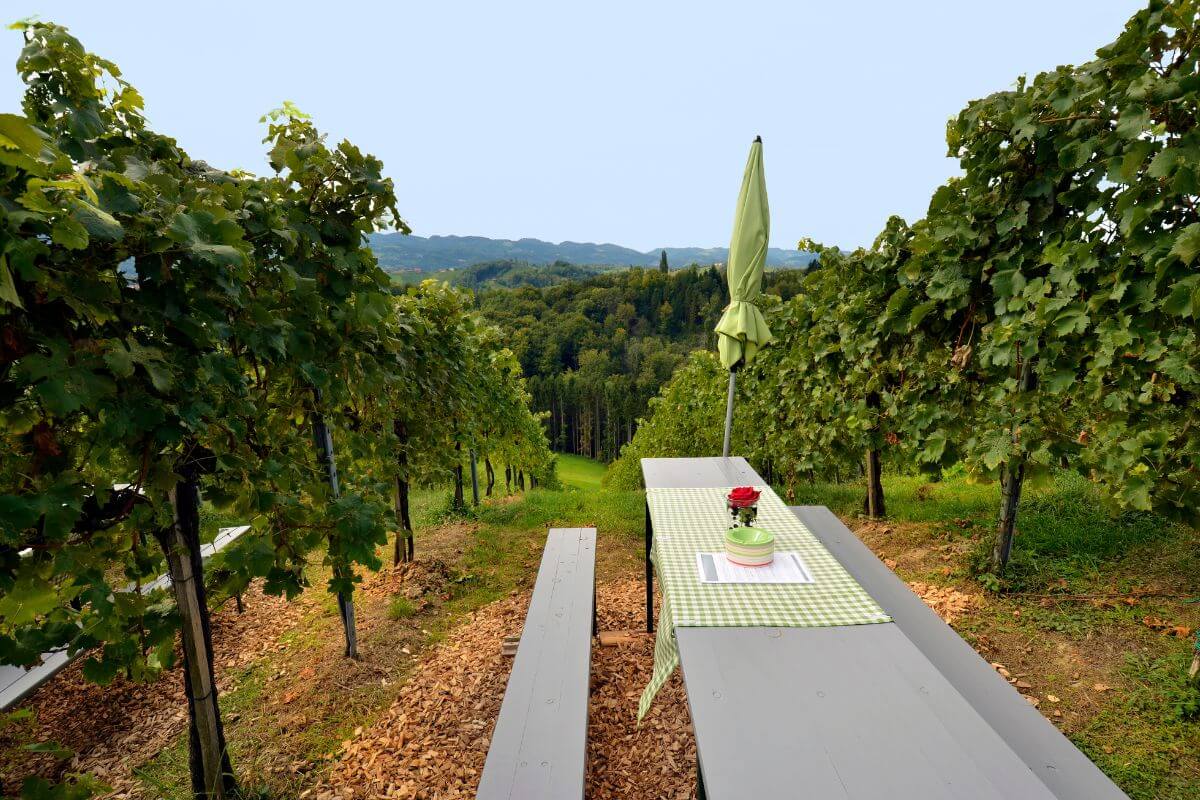
Week 1: Custom Tours in Southern Austria
When exploring Southern Austria, I choose custom tours highlighting the region’s varied attractions. The stunning Alpine scenery, rolling vineyards, or thermal spas – there’s something tailored for every traveler.
Day trips to the Carinthian Lakes or Graz offer serene escapes. Here, culture and nature blend beautifully, speaking to the soul. Experiencing Southern Austria at a slower pace allows appreciation of each locale’s nuances.
- Focus: Slow-paced travel, appreciating the unique charm of each location based on personal preference.
- Custom tours: Explore Stunning Alpine scenery, rolling vineyards, or thermal spas.
- Day Trips: Relaxing escapes to Carinthian Lakes or the cultural city of Graz.
Week 2: Off-the-Beaten Path in Soca Valley
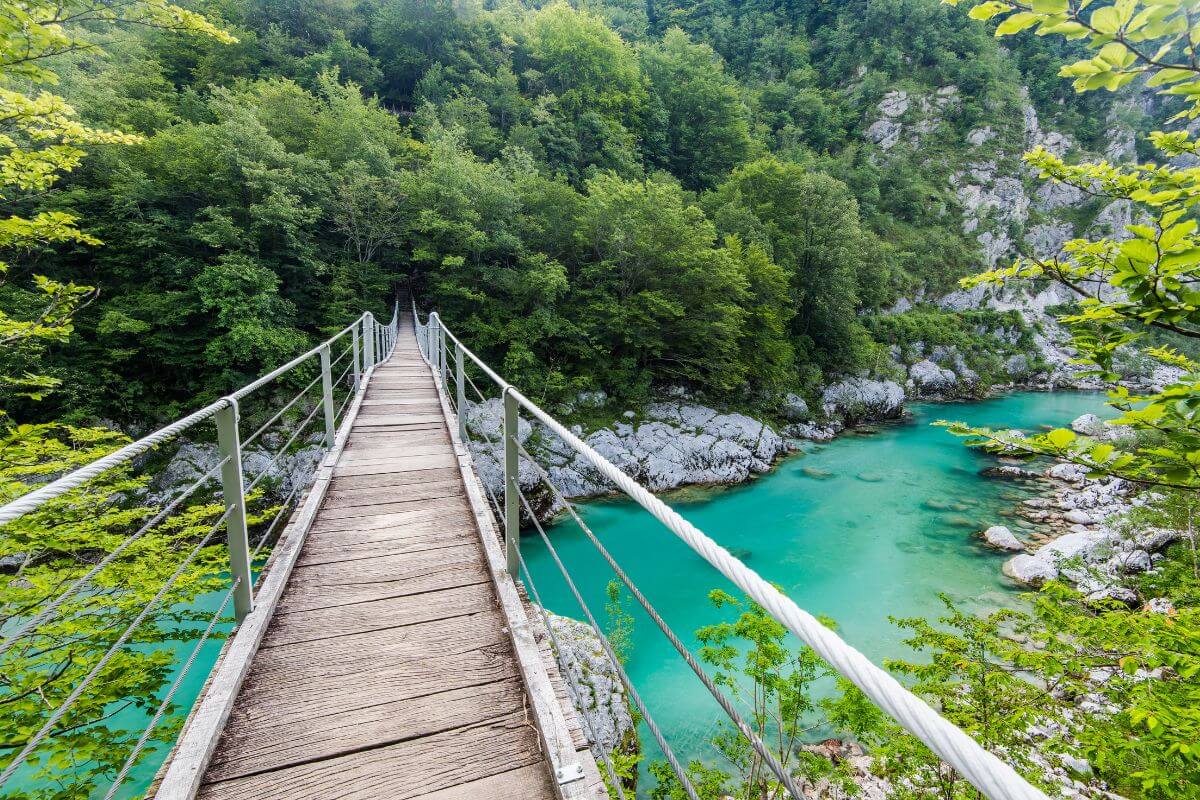
Though not in Austria, the Soca Valley in Slovenia showcases the Alps’ charm. Beyond Austria’s border, this Slovenian treasure is within reach for an adventurous day trip.
Trekking emerald rivers and paragliding over the Julian Alps provide an unparalleled rush.
Yet tranquil moments in historic Kobarid remind of the region’s poignant past. This valley, close to Austria, offers a distinct escapade complementing an Austrian journey.
- Focus: Contrasting experience with outdoor adventure and historical reflection.
- Location: Soca Valley, Slovenia (day trip from Austria)
- Activities: Trekking emerald rivers paragliding over the Julian Alps.History: Exploring historic Kobarid and the region’s past.
- Adventure: Trekking emerald rivers paragliding over the Julian Alps.
- History: Exploring historic Kobarid and the region’s past.
Week 3: Urban Escapes to Art Museums in Vienna
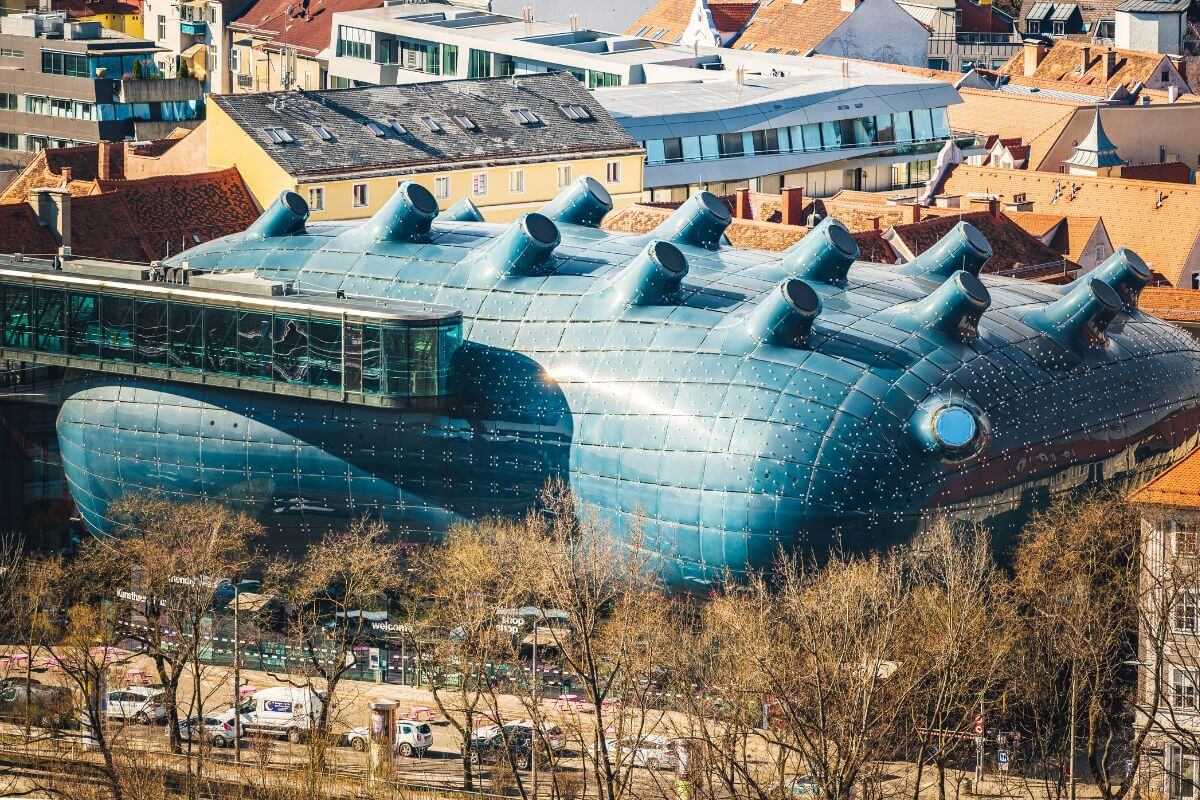
When exploring Vienna’s vibrant cultural core, my focus turns to renowned art spaces illustrating Austria’s creative legacy. The acclaimed Belvedere Museum captivates with Gustav Klimt’s iconic ‘The Kiss,’ epitomizing a pivotal art movement.
I participate intently in docent-led tours, immersing myself in Austrian art’s intricate history.
Yet, my Vienna journey transcends classical works, as contemporary installations at MuseumsQuartier offer fresh perspectives on the urban art landscape, ensuring a multifaceted, enriching experience.
- Focus: Vienna’s vibrant art scene and museums.
- Belvedere Museum: See Klimt’s “The Kiss” and other iconic artworks.
- Docent-led tours: Immerse yourself in the history of Austrian art.
- Museums Quartier: Explore contemporary installations for a multi-faceted experience.
Ensuring Seamless Travel Logistics Elevates Immersive Experiences
Planning an Austrian sojourn centered on slow, mindful travel demands meticulous consideration of accommodation and transportation.
My objective is to immerse myself in the local culture while treading lightly on the environment. Therefore, prioritizing sustainable travel in Austria means choosing comfortable stays complemented by eco-friendly transit.
Embracing Sustainable Stays and Regional Charm
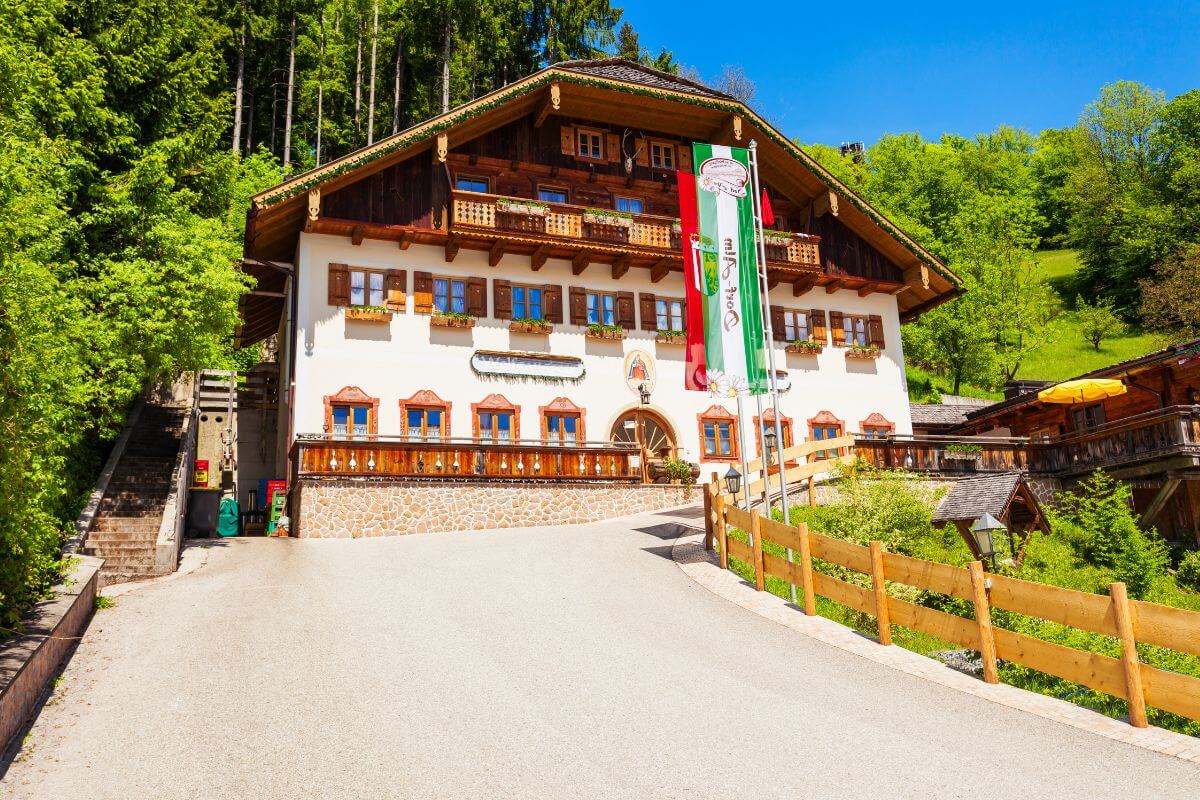
When selecting accommodations, whether hotels or cozy bed-and-breakfasts, I seek establishments that embody Austria’s vibrant flair and connection to local lifestyles.
Prioritizing sustainable practices guides my choices, so I favor eco-conscious lodgings that harness renewable energy sources and showcase organic, regional cuisine.
For instance, Graz’s boutique bed-and-breakfasts warmly introduce guests to delectable specialties, immersing them in an intimate ambiance. Budgeting prudently in euros, I anticipate spending an average of 40 to 75 euros nightly for a private room, ensuring my comfort aligns seamlessly with financial considerations.
Navigating Austria by Train and Bike
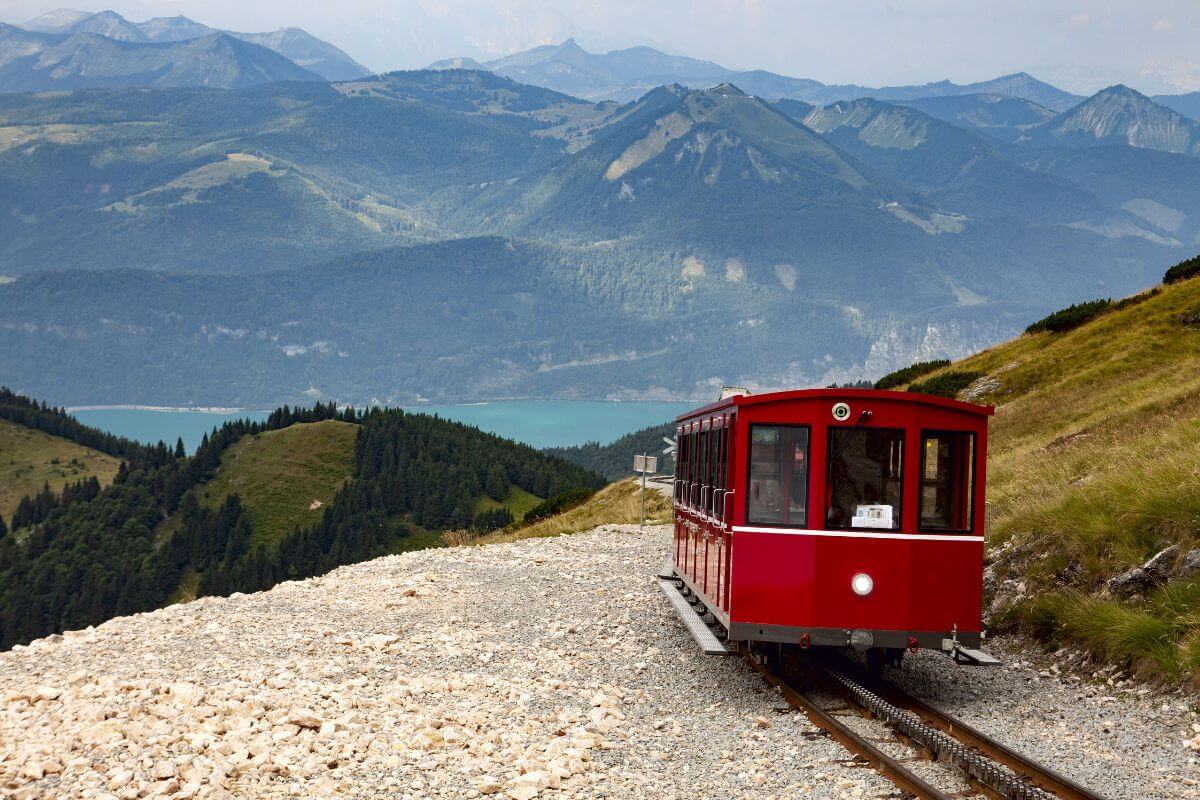
Trains are the go-to choice for traveling sustainably between Austrian cities and towns. They are efficient, punctual and offer jaw-dropping views of the stunning landscape, especially when passing through the picturesque Wachau Valley.
Train journeys here are more than just transportation – they’re experiences in themselves. But trains only cover longer distances. For local explorations, I hit Austria’s well-maintained bike paths.
Cycling lets me navigate at my own leisurely pace, accessing spots unreachable by car or train. This is particularly true in scenic regions like Styria.
Planning for Sustainable Tourism
My approach to sustainable tourism extends beyond transportation. When visiting places like Styria’s emerging slow travel destinations, I partake in activities supporting the local economy while leaving a minimal environmental trace.
From locally sourced champagne breakfasts to using my Euros to contribute directly to small-scale artisans, my travel choices are informed by their impact on the environment and community.
Proximity to airports isn’t a priority—I favor slower, more engaging travel experiences that allow deeper connections with the places I visit.
Cultural Insights and Historical Context
Exploring Austria’s rich cultural tapestry shows how its historical heritage profoundly impacts modern experiences.
The grandeur of the Habsburg legacy and the melodious charm of “The Sound of Music” prove that history is a living part of the Austrian journey.
Moreover, the nation’s dedication to preserving historical sites weaves a narrative connecting past and present, of which many are UNESCO World Heritage Sites.
The Impact of the Habsburgs in Austria
The Habsburgs governed Austria for centuries. They didn’t just shape borders: their influence touched culture, architecture.
Vienna’s Hofburg Palace complex testifies to their immense power. It grew with each new ruler.
As I tour the imperial apartments, admiring the Habsburgs’ treasures, I see their love of arts.
This sparked an era of cultural flowering that echoes in Austria today.
The Sound of Music and its Legacy
“The Sound of Music” brought Salzkammergut’s beauty alive on screen. This film depicts Austria’s traditions and family values amid World War II.
Its idyllic landscapes attract fans worldwide. I note how it boosts tourism, with enthusiasts retracing Maria’s footsteps in Salzburg. Austria’s charm extends beyond scenery to cultural heart.
UNESCO World Heritage Sites and Preservation
Austria preserves historical and environmental riches. several UNESCO World Heritage Sites, like the winter-magical Hallstatt and Salzkammergut region, are within its borders.
These protect not just natural beauty but cultural history—from prehistory to present. Preserving heritage sites lets travelers like me step into living history books, where each site tells humanity’s story.
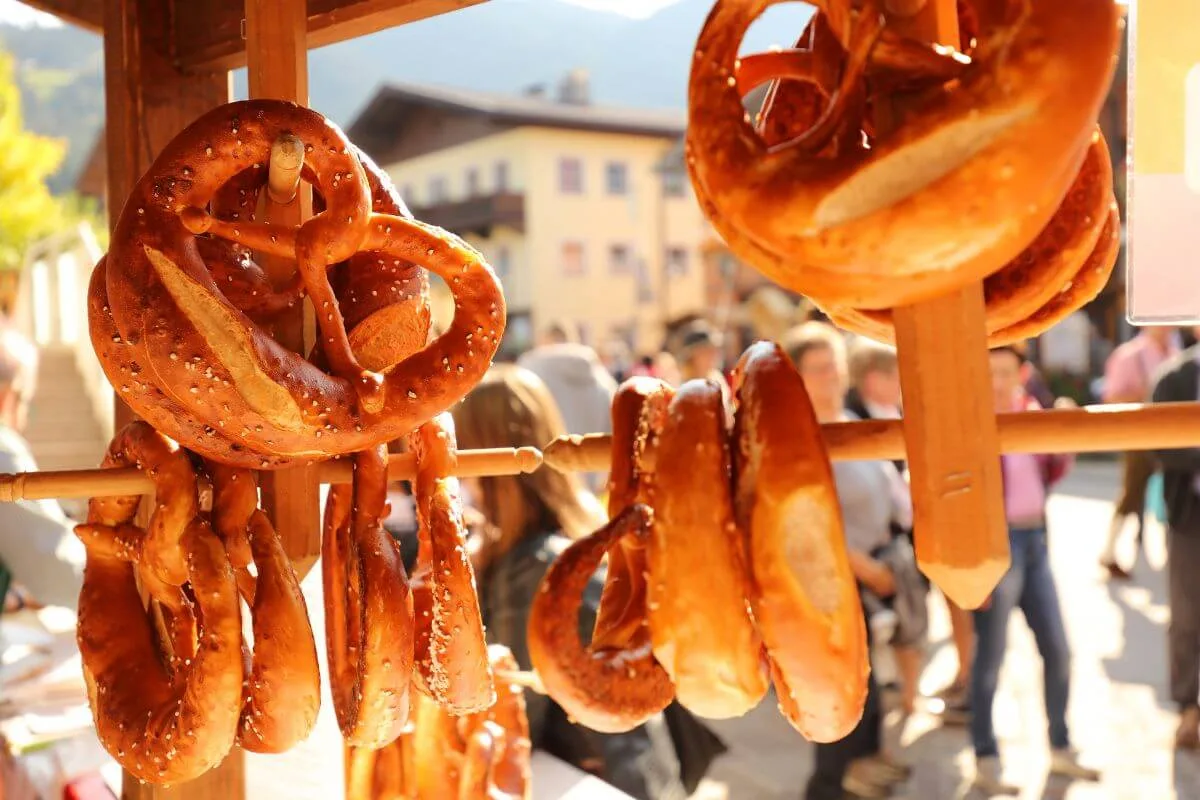
Seasonal and Regional Specialties
When it comes to local cuisine, Austria embraces the slow food movement wholeheartedly.
Across its diverse regions, dishes highlight fresh, seasonal ingredients that allow rich local flavors to shine. Each area offers an enticing culinary journey for the senses.
Winter in Hallstatt and Alpine Retreats
The chilly months transform Hallstatt into a winter wonderland straight from a fairytale. And the cozy local cuisine keeps pace with nature’s enchantment.
Warming comfort foods reign supreme – hearty dumplings stuffed with savory meats or sweet fruits are a beloved staple in taverns nestled amid snow-blanketed Alpine peaks.
Styrian Wine and Culinary Delights
Often called Austria’s Tuscany, Styria beckons wine lovers with its undulating vineyards and exquisite local fare.
For me, fall’s grape harvest delivers the ultimate indulgence: sipping young “Sturm” wines alongside splendid regional specialties like pumpkin seed oil-dressed salads and artisanal charcuterie. A true feast for the senses!
Local Festivals and the Slow Food Movement
More than a philosophy, Slow Food embodies a way of life deeply rooted in Austria’s local traditions. Festive celebrations ignite my passion for culinary heritage and sustainability.
A standout is the Soca Valley’s Tux festival, where a delectable feast showcases the region’s pride in homemade specialties and time-honored food practices.
Practical Travel Tips for Tourists
Respecting culture and saving money enhances travel joy. Austria’s traditions and euro costs require awareness for an enriching trip without hassles.
Understanding Local Etiquette and Customs
In Austria, they greeted each other warmly with a “Grüß Gott” and a handshake. “Grüß Gott” literally means “Greet God” from “grüß dich Gott” – “may God greet you.”
One of the local etiquettes is being punctual; lateness offends the locals.
Also, wait for the eating signal at meals, and have your keep hands visible on the table. Small etiquette nuances smoothen cultural immersion.
Managing Travel Budget with the Euro
Monitoring euro rates ensures maximizing your money’s worth. Cities demand higher budgets than rural areas, especially relaxed southern Austria.
Factor dining, attractions, and transport costs into daily expenses; they add up fast. Realistic estimates prevent overspending surprises.
- Average Meal Cost: 10-20 euros
- Inner-city Public Transport Ticket: 2.40 euros
- Standard Museum Entry: 10-15 euros
Avoiding Tourist Crowds and Embracing Authenticity
Famous spots draw hordes during peak seasons. Visit early mornings or evenings for fewer crowds.
Explore unknown regions through slow travel for authentic Austria beyond tourist traps. The compact country facilitates reaching tranquil villages, unveiling traditional lifestyles missed by masses.
By traveling slowly, I honor local ways while seeing the world without breaking the bank. Adapting these methods enhances my trips and stretches my dollar, too.
Frequently Asked Questions About Slow Travel in Austria
Exploring Austria at a leisurely pace taught me essential lessons to really sink in and get the full experience.
What are the recommended itineraries for slow travel in Austria?
Concentrate on one region rather than trying to cram in the whole country. For example, devote a week to leisurely discover the vineyards dotting Lower Austria’s rolling hills. Learn more about mapping your unhurried Austrian adventure.
Which tours in Vienna offer authentic local experiences?
Skip Vienna’s typical tourist traps for tours revealing the city’s true soul. Local guides share insider perspectives on traditions like coffee house culture or lead themed strolls through heritage neighborhoods. Here’s how to uncover genuine Viennese life.
During which month is it ideal to visit Austria for slow travel?
Spring or fall hit the sweet spot for relaxed Austria exploration, with mild weather and fewer crowds. April through June, or September and October, provide perfect conditions to savor Austria’s scenery at your own pace.
How many days should one allocate for a comprehensive slow travel trip in Austria?
You need to spend at least a week in one area. You’ll have enough time to feel the culture, history, and scenery without rushing. But if you want to see more of Austria’s slow travel way, stay for two weeks. You’ll have a better experience.
Can you travel slowly in Austria using public transportation?
Austria’s public transportation is excellent. Trains and buses go to big and small towns. And local transport can take you into the countryside. It’s a convenient way to travel slowly around the country.
What are the best ways to travel slowly within Austria?
Walking and biking are perfect for really experiencing slow travel. You’ll connect with the landscape. Try regional trains or rent a car to stop flexibly for longer trips. Segways can be fun for touring towns and vineyards while traveling slowly.

I couldn’t leave without mentioning how much I enjoyed your content. I’ll be back to check out your new posts regularly. Keep up the awesome work!